|
|
 |
|
| |
|
Anasayfa
Kutahya Ceramics
Traditional Kutahya
Ceramics
Promotions
Tiles & Panels
Contact |
|
 |
|
 |
|
Quartz Tiles of Nicaea |
| |
 |
| |
| |
| |
 |
|
 |
|
| |
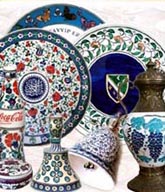
Turkish Ceramics |
|
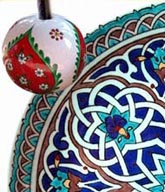
Ceramic Promotions |
|
| |
 |
|
 |
|
|
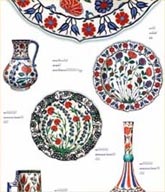
Traditional Kutahya Ceramics |
|
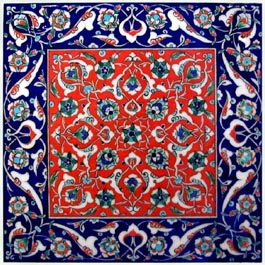
Traditional İznik Ceramics |
|
|
|
|
 |
|
|
iznik tiles - quartz -
panels |
|
|
|
 |
|
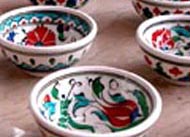
Turkish Ceramics Bowls |
|
|
|
|
|
|
|
| |
Ceramics Jevelry |
|
Tiles and Panels |
|
|
|
|
|
|
|
Iznik Tiles & Pottery Traditonal
Ottamon and iznik ceramics |
iznik,
 ancient
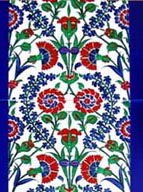
Niceai is a lovely walled town on the shores of Lake Iznik,
Turkey. Iznik has a special place in the history of ancient
Niceai is a lovely walled town on the shores of Lake Iznik,
Turkey. Iznik has a special place in the history of
 Turkish
art. öyle The chinaware of Iznik, an art which began here
in Byzantine times and reached its zenith under the Ottoman
Turks, is a striking example, and the potteries of Iznik played
a central role in the town's destiny. The potteries were turned
virtually into imperial tile works manufacturing vast quantities
of wall tiles for the Ottoman palaces, mosques and other
monumental buildings which embellished the four corners of the
empire. In addition to tiles, the town's potteries continued to
produce china ware for sale to the public as well as the palace.
The result found favour not only within the Ottoman Empire but
beyond, and some of the Iznik ware which has survived in Europe
provides evidence that the Iznik potteries received orders from
various European countries, such as articles bearing royal arms.Iznik
Tiles are made on a very clean white base with hard backs and
under-glaze decorations in a unique technique. Old Iznik tiles
reached their heyday in the 16th century, and the masterpieces
produced at that time are regarded as the most valuable
specimens in the art of ceramics by the leading museums of the
world. Currently, Iznik Tiles are used as an architectural
element in old and modern buildings by the discriminating
decorators, architects and art lovers. Iznik Tiles today are the
continuum of the Iznik tradition and heritage after three
centuries. Today Researchers are continually discovering more
about these beautiful type of ceramics, whose designs are
enjoying a new wave of popularity Turkish
art. öyle The chinaware of Iznik, an art which began here
in Byzantine times and reached its zenith under the Ottoman
Turks, is a striking example, and the potteries of Iznik played
a central role in the town's destiny. The potteries were turned
virtually into imperial tile works manufacturing vast quantities
of wall tiles for the Ottoman palaces, mosques and other
monumental buildings which embellished the four corners of the
empire. In addition to tiles, the town's potteries continued to
produce china ware for sale to the public as well as the palace.
The result found favour not only within the Ottoman Empire but
beyond, and some of the Iznik ware which has survived in Europe
provides evidence that the Iznik potteries received orders from
various European countries, such as articles bearing royal arms.Iznik
Tiles are made on a very clean white base with hard backs and
under-glaze decorations in a unique technique. Old Iznik tiles
reached their heyday in the 16th century, and the masterpieces
produced at that time are regarded as the most valuable
specimens in the art of ceramics by the leading museums of the
world. Currently, Iznik Tiles are used as an architectural
element in old and modern buildings by the discriminating
decorators, architects and art lovers. Iznik Tiles today are the
continuum of the Iznik tradition and heritage after three
centuries. Today Researchers are continually discovering more
about these beautiful type of ceramics, whose designs are
enjoying a new wave of popularity
|
|
 |
 |
 |
 |
|
 |
|
 |
|
|
|
|
|
Mine Hediyelik
Tel:
+90 212 458 36 57
Faks:
+90 212 458 36 57
[email protected]
Copyright © Mine
Hediyelik All rights reserved.
Mobil sürüme geçmek için tıklayınız.
|